
No products in the cart.
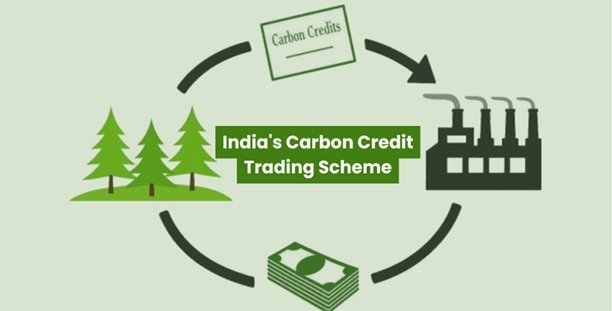
The global carbon economy is expanding rapidly as enterprises, governments, and sustainability-focused organizations increase investments in climate action and emissions reduction initiatives. Carbon credits are now playing a critical role in helping businesses meet ESG goals, offset operational emissions, and participate in climate finance ecosystems.
However, as carbon markets continue to grow, one challenge remains at the center of the industry: trust.
Enterprises purchasing carbon credits want assurance that credits are legitimate, verified, traceable, and backed by measurable environmental impact. At the same time, marketplace operators must manage growing transaction volumes, complex verification processes, and evolving regulatory requirements.
This is why AI-powered verification systems are becoming an essential component of modern carbon trading marketplace development.
Today’s carbon marketplaces are evolving into intelligent digital ecosystems where artificial intelligence supports fraud detection, compliance monitoring, environmental verification, risk analysis, and automated reporting across large-scale climate finance operations.
The Verification Challenge in Carbon Markets
Carbon credits are generated through environmental projects designed to reduce or remove greenhouse gas emissions.
These projects may include:
- Reforestation initiatives
- Renewable energy programs
- Sustainable agriculture projects
- Methane reduction systems
- Industrial emissions reduction technologies
Before carbon credits can be traded, projects typically require verification from recognized environmental standards and certification bodies.
Historically, this process has involved significant manual review, documentation analysis, third-party audits, and fragmented reporting systems.
As carbon markets expand globally, manual verification methods are becoming increasingly difficult to scale efficiently.
Why Verification Is Critical for Carbon Trading Platforms
Verification directly impacts the credibility and long-term sustainability of carbon marketplaces.
Without reliable verification systems, marketplaces face risks such as:
- Fraudulent carbon credits
- Duplicate asset listings
- Inaccurate environmental claims
- Compliance violations
- Reduced enterprise trust
These challenges can damage marketplace reputation while slowing enterprise adoption.
Modern businesses participating in climate finance require transparent systems capable of validating environmental impact with greater speed and accuracy.
This growing demand is driving investment in advanced carbon marketplace platform development solutions that integrate intelligent verification infrastructure directly into marketplace operations.
How AI Is Improving Carbon Credit Verification
Artificial intelligence is helping modern carbon marketplaces automate and strengthen multiple areas of the verification process.
AI-powered systems can analyze large datasets faster and more efficiently than traditional manual workflows.
This allows marketplaces to improve operational scalability while reducing verification delays.
Businesses working with an AI consulting agency are increasingly integrating intelligent automation into carbon marketplace infrastructure to improve trust, compliance, and sustainability reporting capabilities.
Several AI-driven verification capabilities are becoming especially valuable in climate finance ecosystems.
Automated Document Analysis
Carbon verification processes often involve reviewing extensive environmental documentation, including:
- Emissions reports
- Project validation records
- Sustainability assessments
- Compliance certificates
- Environmental monitoring data
AI-powered document analysis systems can help identify inconsistencies, missing information, and reporting anomalies automatically.
This significantly reduces manual workload while accelerating project review timelines.
Fraud Detection and Marketplace Integrity
Fraud prevention has become a major priority within carbon markets.
AI systems can analyze marketplace activity to detect:
- Duplicate carbon credits
- Suspicious transaction patterns
- Unusual pricing activity
- Inconsistent verification records
- Abnormal marketplace behavior
Machine learning models continuously improve over time by identifying patterns associated with fraudulent activity.
This helps strengthen marketplace trust and operational transparency.
Satellite and Environmental Data Analysis
Some advanced carbon marketplaces are beginning to integrate AI with environmental monitoring technologies such as satellite imagery and remote sensing systems.
AI-powered environmental analysis can help validate:
- Reforestation progress
- Land-use changes
- Vegetation growth
- Emissions reduction activity
This allows marketplaces to support more accurate environmental verification at scale.
As climate technology evolves, environmental intelligence is expected to become a more important part of enterprise-grade carbon credit trading platform infrastructure.
Real-Time Compliance Monitoring
Global carbon regulations are evolving rapidly, creating additional operational complexity for marketplace operators and enterprises.
AI systems can help automate compliance workflows by monitoring:
- Verification status updates
- Regulatory reporting requirements
- Certification changes
- Carbon registry activity
Automated monitoring reduces operational risk while helping organizations maintain audit readiness.
AI-Powered Risk Scoring
Not all carbon projects carry the same level of environmental or financial risk.
AI analytics engines can evaluate projects using factors such as:
- Verification history
- Geographic risk exposure
- Environmental performance
- Market activity trends
- Historical transaction behavior
Risk scoring systems help enterprises make more informed purchasing decisions while improving marketplace transparency.
Why Enterprises Prefer Verified Carbon Marketplaces
Enterprise participation in carbon markets continues increasing because of growing ESG expectations and sustainability commitments.
However, enterprises increasingly prioritize marketplaces that offer:
- Transparent verification workflows
- Reliable compliance infrastructure
- Real-time reporting capabilities
- Fraud prevention systems
- Environmental traceability
AI-powered verification systems help marketplaces meet these enterprise expectations more effectively.
As a result, intelligent verification infrastructure is becoming a competitive differentiator within climate finance ecosystems.
AI and ESG Reporting Integration
Verification data also plays an important role in ESG reporting.
Enterprises participating in carbon markets often need accurate data related to:
- Carbon offset purchases
- Environmental impact metrics
- Sustainability investments
- Emissions reduction progress
AI-powered reporting systems can automate data collection and reporting workflows, helping organizations improve sustainability transparency.
These capabilities are becoming increasingly valuable for businesses operating in highly regulated industries.
The Growing Opportunity for Climate Tech Startups
The rapid expansion of climate finance ecosystems is creating significant opportunities for technology startups focused on sustainability infrastructure.
Many emerging climate tech startup ideas now involve building platforms that combine:
- Carbon trading
- Environmental analytics
- AI-powered compliance systems
- Sustainability reporting
- Climate intelligence tools
As enterprise demand grows, startups capable of delivering scalable verification infrastructure are expected to play a major role in the future of digital carbon markets.
Monetization Opportunities in Verification-Focused Platforms
Carbon marketplace operators are increasingly exploring monetization strategies connected to verification and compliance services.
Revenue opportunities may include:
- Transaction commissions
- Premium verification services
- Enterprise compliance subscriptions
- Sustainability analytics tools
- API integrations
- Environmental intelligence solutions
Businesses researching how to make money with carbon offsets are increasingly recognizing that verification infrastructure itself can become a scalable digital business model.
Scalability Challenges in Carbon Verification
While AI-powered systems offer significant advantages, marketplaces still face several technical and operational challenges.
These may include:
- Environmental data quality issues
- Integration complexity
- Regulatory differences across regions
- Verification standard variations
- Infrastructure scalability requirements
Building scalable systems requires strong architecture capable of supporting both automation and regulatory transparency.
This is why organizations investing in carbon trading marketplace development increasingly prioritize cloud-native infrastructure and AI-driven operational workflows.
The Future of AI-Powered Carbon Verification
Several trends are expected to shape the future of intelligent verification systems within carbon markets.
Autonomous Environmental Monitoring
AI systems may increasingly automate environmental validation using satellite imagery and IoT-based climate monitoring technologies.
Cross-Registry Verification Networks
Future platforms may support interconnected verification systems across multiple carbon registries and marketplaces.
Predictive Environmental Intelligence
AI analytics could help forecast project performance and long-term environmental impact before credits are traded.
Embedded ESG Compliance Automation
Carbon verification systems may become directly integrated into enterprise ESG management platforms.
Final Thoughts
As carbon markets continue expanding globally, trust and transparency will remain critical for long-term marketplace growth. Enterprises participating in climate finance ecosystems increasingly require platforms capable of delivering reliable verification, fraud prevention, compliance management, and environmental traceability at scale.
AI-powered systems are helping modern carbon marketplaces address these challenges more effectively through intelligent automation, predictive analytics, and scalable environmental monitoring infrastructure.
Today’s carbon credit trading platform ecosystems are evolving into sophisticated climate finance environments where AI-driven verification plays a foundational role in marketplace credibility, operational efficiency, and enterprise adoption.
Organizations investing in intelligent verification infrastructure today are positioning themselves for long-term growth within the rapidly evolving global carbon economy.