
No products in the cart.
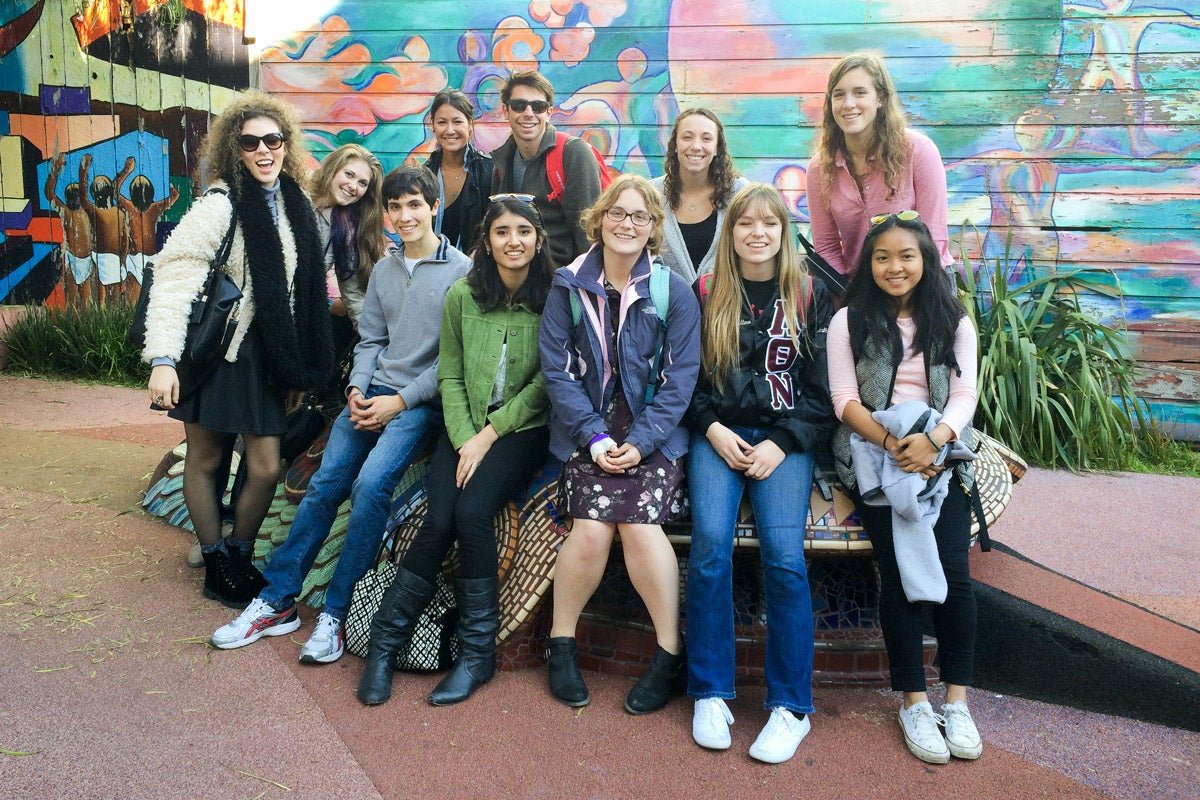
The idea of a spanish community goes far beyond language or shared heritage. It represents a living network of people connected by culture, history, and a collective drive to thrive in new environments. Whether in large cities or smaller towns, these communities play a crucial role in shaping social, economic, and cultural landscapes.
For many individuals, finding or building a Spanish-speaking community is not just about comfort—it is about survival, growth, and identity. From navigating daily life to accessing education and employment, strong community ties can make a meaningful difference. Understanding how these communities function and how to engage with them effectively is essential for both newcomers and professionals working in diverse environments.
Understanding the Spanish Community
A Spanish community typically includes individuals from various Spanish-speaking countries such as Mexico, Puerto Rico, Cuba, Spain, and many others. While they share a common language, their traditions, dialects, and cultural expressions can vary significantly.
Despite these differences, several core elements unify the community:
- Language as a bridge: Spanish serves as a powerful connector, enabling communication and shared understanding.
- Cultural traditions: Festivals, food, music, and family values play a central role in maintaining identity.
- Support networks: Community organizations, churches, and local groups provide guidance and resources.
For example, in many U.S. cities, Spanish-speaking neighborhoods often develop organically. Local businesses cater to cultural preferences, schools offer bilingual programs, and community centers host events that preserve heritage while helping people adapt to a new environment.
From a practical standpoint, these communities often act as informal support systems. A new immigrant might rely on community members for job leads, housing advice, or translation help. This collective support reduces barriers and accelerates integration.
How to Engage With or Build a Spanish Community
Whether you are a newcomer, a business owner, or a community leader, building meaningful connections requires intention. Below is a step-by-step strategy grounded in real-world practices.
Step 1: Start With Cultural Awareness
Before engaging, take time to understand cultural nuances. Not all Spanish-speaking individuals share the same customs or preferences.
For instance:
- Communication styles may differ between Caribbean and South American cultures.
- Family structures and values can vary widely.
- Even common phrases may carry different meanings depending on the country.
Listening first and asking respectful questions builds trust faster than making assumptions.
Step 2: Participate in Local Events
Community events are often the heart of connection. These may include:
- Cultural festivals
- Religious gatherings
- Food fairs
- Educational workshops
Attending these events provides an opportunity to observe, learn, and naturally meet people. For example, a local Hispanic heritage festival can introduce you to community leaders, artists, and small business owners all at once.
Step 3: Support Local Businesses
Spanish-owned businesses are often central hubs within the community. Restaurants, grocery stores, and service providers become gathering points where relationships form.
By supporting these businesses, you not only contribute economically but also build credibility. Over time, consistent interaction can lead to deeper connections and mutual trust.
Step 4: Leverage Community Organizations
Nonprofits and cultural organizations play a major role in strengthening Spanish communities. They offer:
- Language classes
- Job training programs
- Legal assistance
- Youth development initiatives
Engaging with these organizations—either as a participant or volunteer—can significantly expand your network and impact.
Step 5: Communicate Effectively
If you speak Spanish, use it respectfully and confidently. If not, showing effort—even learning basic phrases—goes a long way.
For professionals, investing in bilingual communication is often a game-changer. For example, a healthcare provider offering Spanish-language support can dramatically improve patient trust and outcomes.
Step 6: Build Long-Term Relationships
Trust in many Spanish communities is built over time. One-time interactions rarely lead to meaningful connections.
Consistency matters:
- Attend events regularly
- Follow up with contacts
- Offer help when possible
Over time, these efforts create authentic relationships that go beyond transactional interactions.
Common Challenges When Engaging With the Spanish Community
While the benefits are clear, there are also challenges that can limit effective engagement.
Language Barriers
Even though Spanish is widely spoken, variations in dialect and fluency levels can create misunderstandings. Relying solely on translation tools often leads to errors or awkward communication.
Cultural Misinterpretation
Assuming that all Spanish-speaking individuals share the same culture can lead to mistakes. For example, a marketing campaign that resonates with one group may not connect with another.
Lack of Trust
In some cases, communities may be cautious about outsiders due to past experiences. This is especially true in areas where individuals may face legal or social uncertainties.
Limited Accessibility
Not all services are designed with Spanish-speaking populations in mind. This includes:
- Complex documentation
- Lack of bilingual staff
- Limited outreach efforts
These barriers can make it difficult for individuals to access essential resources.
Overgeneralization
One of the most common mistakes is treating the Spanish community as a single, uniform group. In reality, it is incredibly diverse, with unique identities and perspectives.
Expert Tips for Meaningful Engagement
To create real impact, it is important to go beyond surface-level interaction. Here are practical, experience-based recommendations.
Focus on Authenticity
People quickly recognize when engagement is genuine versus transactional. Instead of trying to “target” the community, aim to understand and contribute.
For example, a business that sponsors local cultural events without pushing sales often builds stronger brand loyalty over time.
Invest in Bilingual Resources
If your work involves communication, bilingual support is essential. This includes:
- Translated materials
- Spanish-speaking staff
- Clear and simple messaging
This approach not only improves accessibility but also demonstrates respect.
Collaborate With Community Leaders
Local leaders often have deep insights and influence. Partnering with them can:
- Improve outreach efforts
- Ensure cultural accuracy
- Build trust faster
For instance, collaborating with a respected community organizer can significantly increase participation in programs or events.
Be Patient and Consistent
Building relationships takes time. Avoid expecting immediate results.
Consistency—showing up, listening, and contributing—creates long-term credibility. Over time, this leads to stronger connections and greater impact.
Encourage Inclusion Across Generations
Spanish communities often include multiple generations with different levels of cultural integration.
- Older generations may prefer traditional practices and Spanish-language communication.
- Younger generations may be more bilingual and culturally blended.
Creating spaces that respect both perspectives fosters unity and inclusion.
Use Real-World Feedback
Always seek feedback from community members. What works in theory may not work in practice.
For example, a program designed to help with job placement might need adjustments based on actual participant experiences. Continuous improvement ensures relevance and effectiveness.
Conclusion
The Spanish community is a vibrant, diverse, and essential part of modern society. It offers not only cultural richness but also powerful networks of support, resilience, and opportunity.
Engaging with this community requires more than surface-level effort. It demands cultural awareness, consistent participation, and a genuine commitment to building relationships. By understanding its dynamics and applying practical strategies, individuals and organizations can create meaningful connections that benefit everyone involved.
Ultimately, the goal is not just to connect—but to contribute, learn, and grow together.