
No products in the cart.
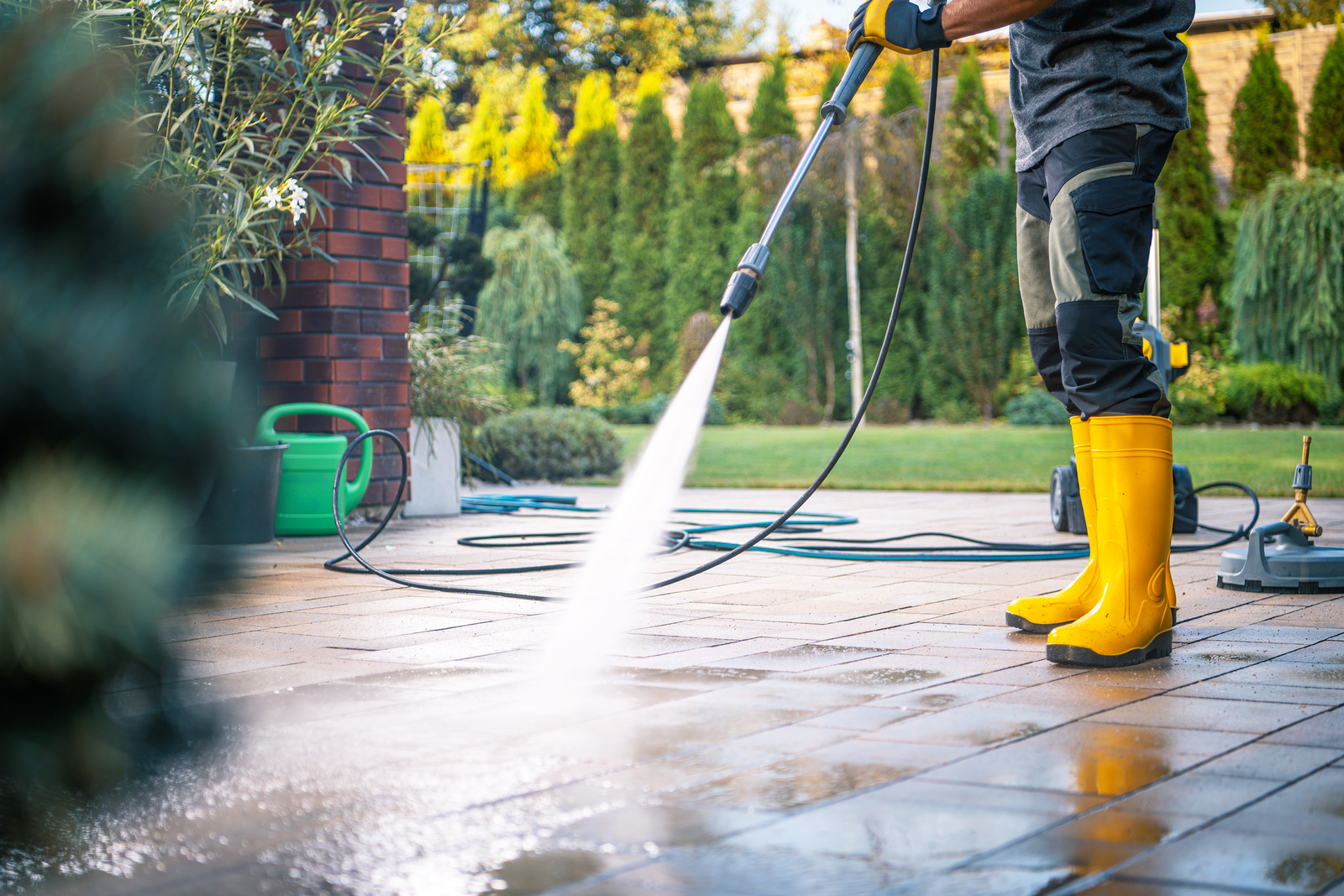
Over time, every exterior surface collects dirt, grime, mold, and pollutants. Whether it’s your driveway, siding, deck, or patio, these elements slowly dull the appearance of your property and can even cause long-term damage. Many homeowners underestimate how quickly buildup occurs, especially in areas exposed to moisture and changing weather.
That’s where power washing becomes essential. When done correctly, it not only restores the look of surfaces but also extends their lifespan. If you’re exploring professional help, services like power washing near pepper pike ohio can offer localized expertise and insights into maintaining different materials effectively.
Understanding how power washing works—and how to use it strategically—can save you money, improve curb appeal, and prevent costly repairs down the line.
What Is Power Washing and Why It Matters
Power washing uses high-pressure water spray, often combined with heat, to remove stubborn dirt, grease, mold, mildew, and other contaminants. Unlike standard cleaning methods, it penetrates deep into porous surfaces, making it highly effective for exterior maintenance.
The real value of power washing lies in prevention. Mold and algae don’t just look bad—they can degrade materials like wood, concrete, and vinyl over time. For example, untreated mold on siding can lead to permanent staining or even structural damage if moisture seeps underneath.
From a practical standpoint, power washing is commonly used for:
- Driveways and sidewalks covered in oil stains or dirt
- House siding affected by mildew or pollution
- Decks and fences that have weathered over time
- Roof surfaces with algae buildup
Regular cleaning also prepares surfaces for painting or sealing, ensuring better adhesion and longer-lasting results.
Step-by-Step Guide to Effective Power Washing
Power washing might seem straightforward, but improper technique can damage surfaces. Here’s a structured approach to doing it safely and effectively.
Step 1: Assess the Surface
Different materials require different pressure levels. Concrete can handle high pressure, while wood and vinyl siding require a gentler approach. Always identify the surface before selecting your settings.
Step 2: Choose the Right Equipment
Power washers come in electric and gas models. Electric washers are ideal for light residential use, while gas-powered machines deliver higher pressure for tougher jobs. Selecting the correct nozzle is equally important, as it controls the spray angle and intensity.
Step 3: Apply Cleaning Solution (If Needed)
For heavily soiled areas, pre-treating with a cleaning solution helps break down grime. This is especially useful for mold, mildew, or grease stains. Allow the solution to sit for a few minutes, but avoid letting it dry completely.
Step 4: Start Washing Strategically
Begin from the top and work your way down. This prevents dirty water from running over cleaned areas. Maintain a consistent distance from the surface—usually 6 to 12 inches—to avoid streaking or damage.
Step 5: Rinse Thoroughly
After cleaning, rinse the surface with clean water to remove any remaining residue. Ensure no cleaning solution is left behind, as it can cause discoloration over time.
Step 6: Inspect the Results
Once the surface dries, check for missed spots or uneven cleaning. A second pass may be necessary for stubborn stains.
Common Mistakes to Avoid
Power washing is effective, but mistakes can lead to costly damage. Many homeowners unknowingly make these errors.
One common issue is using too much pressure. High pressure can strip paint, dent siding, or gouge wood. It’s better to start with lower pressure and increase gradually if needed.
Another mistake is ignoring safety precautions. The force of a power washer can cause injury if mishandled. Always wear protective gear and avoid pointing the spray at people or fragile objects.
Using the wrong cleaning solution is also problematic. Harsh chemicals can damage surfaces or harm surrounding plants. Always choose solutions designed for the specific material you’re cleaning.
Finally, inconsistent technique leads to uneven results. Moving the wand too quickly or too slowly can create streaks or patches. Maintaining steady motion is key to achieving a uniform finish.
Practical Tips from Industry Experts
Experienced professionals follow specific practices that make power washing more efficient and safer. These tips can significantly improve your results.
First, test a small area before starting the full job. This helps you determine the right pressure and technique without risking visible damage.
Second, pay attention to weather conditions. Avoid power washing in direct sunlight, as surfaces can dry too quickly and leave streaks. Overcast days are ideal for even cleaning.
Third, protect surrounding areas. Cover plants, outdoor furniture, and electrical fixtures before starting. This prevents accidental damage and keeps your workspace organized.
Fourth, maintain your equipment. Clean nozzles and check hoses regularly to ensure consistent pressure. Faulty equipment can lead to uneven cleaning or safety hazards.
Lastly, know when to call a professional. Large surfaces, delicate materials, or heavily stained areas often require expert handling. Professionals bring specialized equipment and experience that can save time and prevent mistakes.
Conclusion
Power washing is more than just a cosmetic upgrade—it’s a practical maintenance strategy that protects your property and enhances its value. By removing harmful buildup and restoring surfaces, it keeps your home looking clean and well-maintained year-round.
The key is understanding the right techniques, avoiding common mistakes, and using proper equipment. Whether you choose to handle it yourself or rely on professional services, a thoughtful approach ensures long-lasting results.
Investing time in regular power washing can prevent expensive repairs and keep your property in top condition. When done correctly, it’s one of the most efficient ways to maintain and improve your home’s exterior.