
No products in the cart.
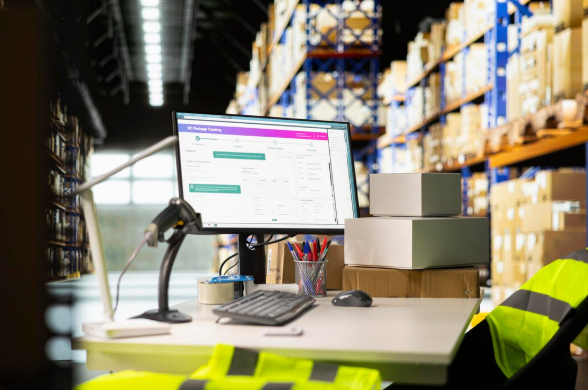
Distribution ERP is rapidly becoming the backbone of modern wholesale operations in 2026. As global supply chains grow more complex and customer expectations continue to rise, wholesale businesses are under immense pressure to operate faster, smarter, and more efficiently. Traditional systems and manual processes can no longer keep up with real-time demands, inventory fluctuations, and multi-channel distribution models. This is where Distribution ERP systems step in, offering a centralized, intelligent solution to manage every aspect of wholesale operations.
In today’s competitive environment, wholesalers need more than just basic inventory tracking—they require complete visibility, automation, and data-driven decision-making. Distribution ERP empowers businesses by integrating inventory management, order processing, procurement, finance, and customer relationship management into one unified platform. As a result, companies can streamline operations, reduce costs, and enhance customer satisfaction.
This article explores how Distribution ERP is transforming wholesale businesses in 2026, highlighting its key benefits, features, and the future impact on the industry.
What is Distribution ERP?
Distribution ERP (Enterprise Resource Planning) is a specialized software solution designed specifically for wholesalers, distributors, and supply chain-driven businesses. Unlike generic ERP systems, it includes tailored functionalities such as warehouse management, order fulfillment, demand forecasting, and supplier coordination.
By consolidating data from various departments into a single system, Distribution ERP eliminates data silos and ensures seamless communication across the organization. This leads to better coordination, improved efficiency, and more accurate decision-making.
The Evolution of Wholesale Businesses
Wholesale businesses have undergone significant transformation over the past decade. In 2026, the shift is driven by digitalization, automation, and customer-centric strategies. Key changes include:
- Increased demand for real-time inventory visibility
- Growth of eCommerce and omnichannel distribution
- Rising customer expectations for faster delivery
- Greater complexity in global supply chains
- Need for data-driven decision-making
Traditional systems often fail to address these challenges, leading to inefficiencies, delays, and lost opportunities. Distribution ERP bridges this gap by providing advanced tools and automation.
Key Ways Distribution ERP is Transforming Wholesale Businesses
1. Real-Time Inventory Management
One of the most significant advantages of Distribution ERP is real-time inventory tracking. In 2026, wholesalers can no longer rely on outdated stock data.
With ERP systems:
- Inventory levels are updated instantly
- Stock shortages and overstocking are minimized
- Businesses can track products across multiple warehouses
- Automated alerts prevent disruptions
This ensures that businesses always have the right products available at the right time.
2. Enhanced Order Management
Order processing is a critical aspect of wholesale operations. Distribution ERP streamlines this process by automating order entry, processing, and fulfillment.
Key benefits include:
- Faster order processing
- Reduced manual errors
- Improved order accuracy
- Seamless integration with sales channels
Customers receive their orders quicker, leading to higher satisfaction and repeat business.
3. Data-Driven Decision Making
In 2026, data is the most valuable asset for wholesale businesses. Distribution ERP systems provide powerful analytics and reporting tools that help businesses make informed decisions.
With ERP analytics:
- Businesses can forecast demand accurately
- Identify trends and patterns
- Optimize pricing strategies
- Improve overall performance
This data-driven approach allows companies to stay ahead of competitors.
4. Improved Supply Chain Visibility
Supply chain disruptions can significantly impact wholesale operations. Distribution ERP offers end-to-end visibility across the entire supply chain.
This includes:
- Supplier performance tracking
- Shipment monitoring
- Lead time analysis
- Risk management
With better visibility, businesses can proactively address issues and maintain smooth operations.
5. Automation of Routine Tasks
Manual processes are time-consuming and prone to errors. Distribution ERP automates repetitive tasks such as:
- Invoice generation
- Purchase order creation
- Inventory updates
- Financial reporting
Automation not only saves time but also reduces operational costs and increases efficiency.
6. Seamless Integration with eCommerce
The rise of eCommerce has transformed wholesale distribution. In 2026, many wholesalers operate across multiple online platforms.
Distribution ERP integrates seamlessly with eCommerce systems, enabling:
- Unified order management
- Real-time inventory synchronization
- Faster order fulfillment
- Better customer experience
This ensures smooth operations across all sales channels.
7. Better Financial Management
Financial accuracy is crucial for wholesale businesses. Distribution ERP provides comprehensive financial tools that help manage:
- Accounts payable and receivable
- Cash flow
- Budgeting and forecasting
- Tax compliance
With real-time financial insights, businesses can make smarter financial decisions and maintain profitability.
8. Scalability for Growing Businesses
As wholesale businesses expand, their operational needs become more complex. Distribution ERP systems are highly scalable, allowing businesses to grow without changing their core system.
Benefits include:
- Easy addition of new warehouses
- Support for multiple currencies and regions
- Flexible customization options
This scalability makes ERP a long-term investment for wholesalers.
9. Improved Customer Relationship Management
Customer relationships are at the heart of wholesale success. Distribution ERP includes CRM features that help businesses:
- Track customer interactions
- Manage sales pipelines
- Offer personalized services
- Improve communication
By understanding customer needs, businesses can build stronger relationships and increase loyalty.
10. Enhanced Warehouse Management
Warehouse operations are a key component of wholesale distribution. Distribution ERP systems optimize warehouse processes through:
- Barcode scanning
- Automated picking and packing
- Inventory optimization
- Space utilization
This leads to faster operations, reduced errors, and lower costs.
Emerging Trends in Distribution ERP for 2026
AI and Machine Learning Integration
Artificial Intelligence is playing a major role in ERP systems. In 2026, AI-powered Distribution ERP can:
- Predict demand with high accuracy
- Automate decision-making
- Identify inefficiencies
- Enhance forecasting
This reduces human intervention and improves accuracy.
Cloud-Based ERP Solutions
Cloud technology has revolutionized ERP systems. Cloud-based Distribution ERP offers:
- Remote accessibility
- Lower infrastructure costs
- Automatic updates
- Enhanced security
Businesses can access their systems anytime, anywhere.
Mobile Accessibility
With the rise of mobile technology, ERP systems are now accessible on smartphones and tablets. This allows:
- Real-time updates on the go
- Faster decision-making
- Improved communication
Mobile ERP enhances flexibility and responsiveness.
Sustainability and Green Supply Chains
Sustainability is becoming a priority for wholesale businesses. Distribution ERP helps companies:
- Reduce waste
- Optimize transportation routes
- Track environmental impact
This supports eco-friendly operations and regulatory compliance.
Challenges and Considerations
While Distribution ERP offers numerous benefits, implementation comes with challenges:
- High initial investment
- Training requirements for staff
- Data migration complexities
- Resistance to change
However, with proper planning and execution, these challenges can be overcome.
Future Outlook
The future of wholesale businesses is closely tied to technology adoption. Distribution ERP will continue to evolve, incorporating advanced technologies like:
- Internet of Things (IoT)
- Blockchain for supply chain transparency
- Advanced automation
- Predictive analytics
Businesses that adopt these innovations will gain a significant competitive advantage.
Conclusion
Distribution ERP is transforming wholesale businesses in 2026 by providing a powerful, integrated solution to manage complex operations. From real-time inventory management to advanced analytics and automation, ERP systems enable wholesalers to operate more efficiently, reduce costs, and deliver exceptional customer experiences.
As the wholesale industry continues to evolve, the adoption of Distribution ERP is no longer optional—it is essential for survival and growth. Businesses that embrace this technology will be better equipped to navigate challenges, seize opportunities, and thrive in an increasingly competitive market.
In a world driven by speed, accuracy, and data, Distribution ERP stands as the ultimate tool for modern wholesale success.