
No products in the cart.
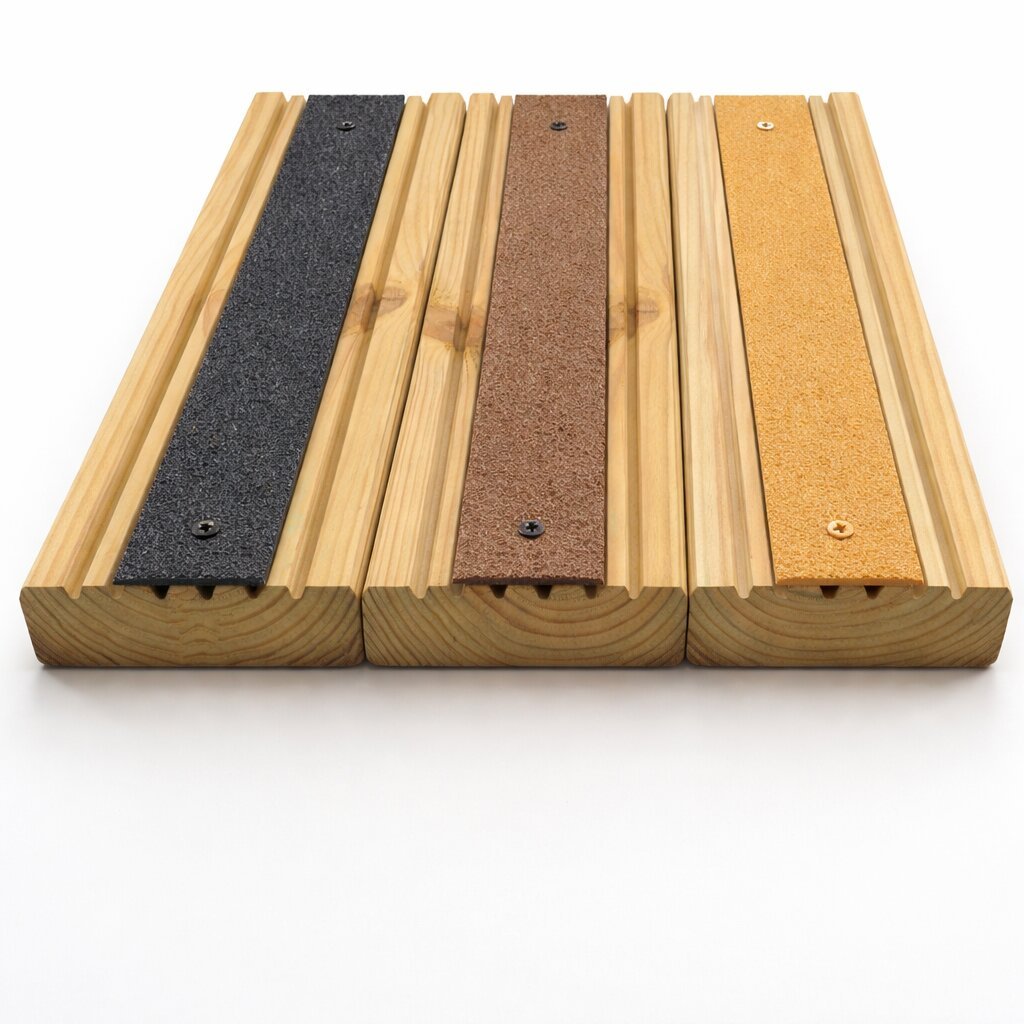
A quick and very efficient way to increase traction on slick outdoor surfaces is with decking strips. In order to minimize falls on wet wood or composite decks, many homeowners now install these narrow anti-slip profiles. It provides a firm grip even in the rain or cold because of its gritty, sandpaper-like texture. This feature is ideal for primary patio areas where family members usually walk, garden steps, and ramps. Thus, the appropriate Decking Strips will improve your property’s safety while blending in perfectly with the wood you already have.
Installation and Customization for Timber Decks
For a proper fit, installing decking strips calls for a spotless wooden surface and simple hand equipment. You may walk on the deck right away because there are no messy glues or lengthy curing times needed for this project. The thin strips do not obstruct your patio’s natural drainage system. As a result, you can alter the arrangement to simply cover your deck’s most hazardous or busy sections.
Screw Fixing and Spacing
Before inserting the screws into the pre-drilled holes, installers apply a bead of sealant beneath the strip. To keep the strip flat and firm against the wood, they employ a regular spacing of roughly 300 mm. To avoid rust stains on your wood, it’s critical to use weather-resistant fasteners. Hence, this procedure produces a sturdy attachment that doesn’t lift or rattle with time.
Trimming and Fitting Custom Lengths
To fit properly around railing posts or on the corners of steps, you can trim the ends at an angle. This adaptability guarantees that you may create a tidy and customized appearance on any deck size. This simple do-it-yourself project doesn’t require hiring a professional contractor. Therefore, you may complete the project with expert outcomes and little waste if you plan clearly and precisely.
Durability and Weather Protection Features
Throughout the year, outdoor safety devices must withstand the severe effects of the sun, rain, and ice. Because the strips don’t absorb moisture, the fiberglass substrate doesn’t delaminate or become brittle. The materials retain their grip and structural integrity even in commercial areas with heavy traffic. As a consequence, you may enjoy your outdoor space more and worry less about slick surfaces.
Algae Resistance and Easy Cleaning
When moss and green algae develop in the moist wood grooves, hardwood decks frequently become hazardous. Anti Slip Decking Strips maintain the walkway safe and clear by providing a surface that algae cannot readily adhere to. For north-facing decks that remain damp for extended periods of time, high levels of algae resistance are particularly crucial.
Contrasting Colors for Visual Safety
Decking strips come in a variety of hues, including natural wood-colored brown, yellow, and black. To provide visitors a strong visual warning, many homeowners paint bright yellow stripes around the edges of their steps. In low light, these contrasting hues aid in defining each step’s height and preventing unintentional trips. You may increase your deck’s safety with either style without sacrificing its visual beauty. Therefore, you can create a secure space that satisfies contemporary accessibility requirements by choosing a contrasting hue.
Maintenance and Cleaning for Long-term Safety
Your decking strips will continue to offer optimal grip for decades with proper maintenance. To get rid of the grit and filth that can clog the crevices between the mineral grains, you simply follow a straightforward cleaning procedure. For the typical homeowner, the maintenance procedure is still relatively quick and efficient due to the surface’s extreme durability. A clean strip keeps the anti-slip edges operating at their best and stops dirt accumulation. With a few minutes of care each season, your deck will always appear well-kept and prepared for guests. Click here if you want to know more about tarpaulins.
Sweeping and Light Scrubbing
To get rid of loose dirt and leaves, you should use a stiff-bristled broom to sweep the strips once a week. For a more thorough cleaning, scrub away any tough muck or bird droppings using a bucket of soapy water and a brush. Steer clear of aggressive chemicals and metal scrapers that could harm the protective resin on the strips. As soon as the water evaporates, the surface should spontaneously dry and regain its full grip. Frequent sweeping keeps the path from getting dull over time and keeps the grit free.