
No products in the cart.
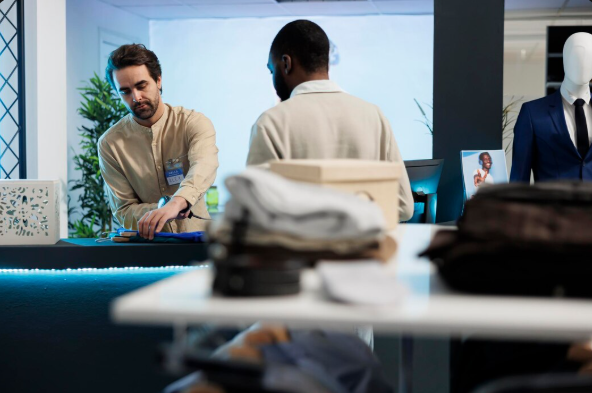
The retail fashion industry is evolving faster than ever, and in 2026, success depends heavily on how efficiently your store operates. One of the most powerful tools behind high-performing clothing businesses is a modern Point of Sale (POS) system. Gone are the days when POS systems were just billing machines. Today, they act as the central hub for inventory, customer data, sales tracking, and omnichannel operations.
In this comprehensive guide, you’ll discover the best clothing store POS systems in 2026, key features to look for, and how these systems can significantly boost your retail sales.
What is a Clothing Store POS System?
A clothing store POS system is a combination of software and hardware designed specifically to manage retail operations. It allows store owners to process transactions, track inventory, manage customer data, and analyze sales performance—all from a single platform.
In 2026, POS systems have become the “operational nerve center” of retail businesses, helping streamline workflows, reduce errors, and improve customer experience.
Unlike generic POS systems, clothing store POS solutions are tailored to handle complex product variations such as sizes, colors, and styles, which are essential in fashion retail.
Why Clothing Stores Need Specialized POS Systems
Fashion retail has unique challenges that require specialized solutions. A basic POS system often fails to meet these demands.
Key Challenges in Clothing Retail:
- Managing multiple product variants (size, color, style)
- Handling frequent returns and exchanges
- Tracking seasonal inventory
- Supporting omnichannel sales (online + offline)
- Delivering personalized customer experiences
Modern POS systems address these issues by offering real-time inventory tracking, customer insights, and seamless integrations.
Top Clothing Store POS Systems in 2026
Here are some of the best POS systems dominating the clothing retail industry in 2026:
1. Shopify POS – Best for Omnichannel Retail
Shopify POS is widely considered the top choice for clothing retailers who sell both online and in-store.
Key Features:
- Real-time inventory synchronization
- Seamless eCommerce integration
- Mobile POS capabilities
- Advanced analytics and reporting
It allows retailers to manage all sales channels from one dashboard, reducing stock discrepancies and improving customer satisfaction.
2. Square for Retail – Best for Small Clothing Stores
Square for Retail is ideal for startups and small boutiques due to its affordability and ease of use.
Key Features:
- Free basic POS system
- Simple setup with mobile devices
- Built-in payment processing
- Inventory management tools
It’s especially useful for small businesses that need a quick and reliable solution without heavy upfront costs.
3. Lightspeed Retail – Best for Advanced Inventory Management
Lightspeed Retail is perfect for clothing stores with large inventories and multiple locations.
Key Features:
- Advanced inventory tracking
- Custom product variants
- Multi-store management
- Detailed reporting tools
Its ability to manage complex inventory makes it ideal for growing fashion brands.
4. Clover POS – Best for Hardware Flexibility
Clover POS stands out due to its flexible hardware options and customizable setup.
Key Features:
- Modular hardware system
- Integrated payment processing
- Employee management tools
- App marketplace for customization
This system works well for retailers who want a tailored POS setup.
5. Vibe Retail POS – Best for Unified Operations
Vibe Retail POS is designed for retailers looking for an all-in-one platform.
Key Features:
- Centralized inventory system
- Omnichannel integration
- Real-time reporting
- Customer data management
It helps streamline operations across multiple locations efficiently.
Essential Features to Look for in a Clothing Store POS
Choosing the right POS system requires understanding the features that truly impact your business.
1. Real-Time Inventory Management
A good POS system should update inventory instantly across all sales channels to prevent overselling and stockouts.
2. Product Variant Management
Clothing stores need systems that can handle multiple variations such as size, color, and style efficiently.
3. Omnichannel Integration
Customers expect a seamless shopping experience across online and offline platforms.
4. Fast Checkout and Payment Options
Modern POS systems support contactless payments, mobile wallets, and fast billing processes.
5. Customer Relationship Management (CRM)
A POS system should store customer data, purchase history, and preferences to enable personalized marketing.
6. Reporting and Analytics
Data-driven insights help retailers make better decisions and improve sales performance.
7. Loyalty Programs
Advanced POS systems allow you to create reward programs that increase customer retention.
How POS Systems Boost Retail Sales
Investing in the right POS system can directly impact your revenue and growth.
1. Faster Checkout Improves Customer Experience
Speedy transactions reduce waiting time, leading to higher customer satisfaction and repeat purchases.
2. Accurate Inventory Reduces Lost Sales
Real-time stock updates ensure products are always available when customers need them.
3. Data-Driven Decisions Increase Profitability
POS analytics help identify best-selling products and optimize inventory.
4. Personalized Marketing Drives Loyalty
Customer data enables targeted promotions and better engagement.
5. Omnichannel Selling Expands Reach
Selling across multiple channels increases revenue opportunities.
Trends in Clothing Store POS Systems (2026)
The future of POS systems is shaped by technology and changing consumer behavior.
1. Cloud-Based POS Systems
Cloud technology allows retailers to access data from anywhere and ensures secure storage.
2. Mobile POS (mPOS)
Retailers can process transactions anywhere in the store, improving flexibility and customer experience.
3. AI-Powered Analytics
AI helps predict trends, manage inventory, and personalize recommendations.
4. Contactless Payments
Customers prefer faster and safer payment options like NFC and mobile wallets.
5. Integrated eCommerce Platforms
POS systems now seamlessly connect online and offline sales channels.
Common Mistakes to Avoid When Choosing a POS System
- Ignoring scalability for future growth
- Choosing based only on price
- Not considering integration capabilities
- Overlooking customer support
- Selecting generic systems instead of industry-specific ones
Avoiding these mistakes ensures long-term success and better ROI.
How to Choose the Best POS for Your Clothing Store
When selecting a POS system, consider:
- Store size and business model
- Number of locations
- Online vs offline sales channels
- Budget and pricing structure
- Required features and integrations
A well-chosen POS system aligns with your business goals and growth strategy.
Conclusion
In 2026, a clothing store POS system is no longer just a tool—it’s the backbone of your retail operations. From managing inventory and processing payments to delivering personalized customer experiences, the right POS system can significantly boost your sales and efficiency.
Systems like Shopify POS, Square for Retail, Lightspeed Retail, Clover POS, and Vibe Retail POS are leading the way by offering powerful features tailored to the needs of modern fashion retailers.
By investing in a feature-rich and scalable POS system, clothing store owners can stay competitive, improve customer satisfaction, and drive long-term growth. The key is to choose a system that not only meets your current needs but also supports your future expansion.
If you want to succeed in the fast-paced fashion retail industry, adopting the right POS system is not optional—it’s essential.