
No products in the cart.
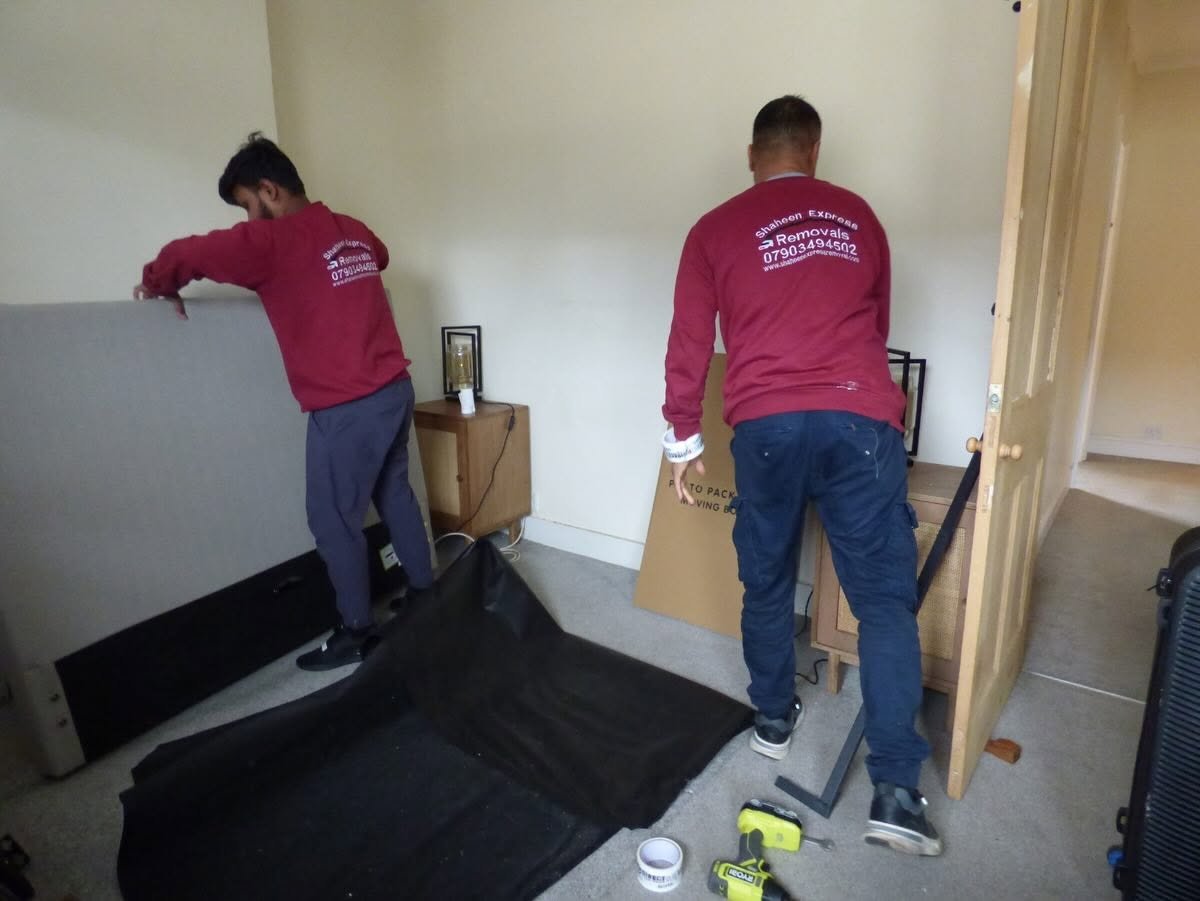
Timing rarely lines up perfectly when it comes to a home removal in London. Move-out and move-in dates can fall days or even weeks apart, renovations can delay when you can actually bring furniture into a new property, and downsizing can leave you with belongings that don’t yet have a home. This is where storage becomes a practical part of the moving process rather than an afterthought.
Storage before your move
If you’re decluttering ahead of a move, or if your new property isn’t quite ready to receive everything at once, storing certain items beforehand can simplify the actual moving day. This is particularly useful for seasonal items, furniture you’re not ready to part with but don’t currently have space for, or belongings from a property clearance that don’t need to travel with the main move.
Storage during your move
This is the most common scenario: a gap between moving out of your current property and moving into the new one. Whether due to a delayed completion date, a gap in tenancy agreements, or renovation work at the new property, temporary storage bridges this gap without requiring you to find a second, separate solution at short notice.
Storage after your move
Even once you’ve moved into your new home, storage can still be useful. This might mean storing furniture that doesn’t fit your new layout while you decide whether to keep or sell it, holding onto items during a renovation, or simply managing an overflow of belongings that don’t yet have a permanent place.
Types of storage typically available
Personal storage generally suits household items, furniture, and boxes for individuals and families. Business storage suits companies needing to store stock, equipment, or documents. Storage containers and crates offer a practical, secure option for both, often with flexible access depending on your needs.
How to decide how much storage you need
Go through what you’re considering storing and estimate roughly how much space it would take up, similar to how you’d think about van size for a move. If you’re unsure, a removal company offering storage can usually advise based on a rough inventory of what you’re planning to store.
Questions to ask before booking storage
Ask how secure the storage facility is, whether it’s climate controlled if you’re storing anything sensitive to damp or temperature, how accessible your belongings will be during the storage period, and what the pricing structure looks like, whether that’s a fixed monthly rate or based on volume.
Combining storage with your home removal booking
One of the practical advantages of using a removal company that also offers storage is coordinating both under one booking, rather than managing separate logistics with a different storage provider. This can simplify timing considerably, particularly for moves with a gap between properties.
A common scenario: downsizing and storage
If you’re moving from a larger property to a smaller one, storage offers a middle ground for belongings you’re not ready to sell or donate but don’t currently have room for. This removes the pressure of making every decision about every item before moving day itself.
How long can you typically store items for?
Storage arrangements can generally range from short-term, covering just a few weeks between properties, to longer-term arrangements lasting months, depending on your circumstances. Confirm flexibility around extending or shortening your storage period when booking, since plans can change.
Shaheen Express Removals offers personal and business storage, including containers and crates, alongside home removal services across London, St Albans, Luton, Essex, and Hertfordshire. This allows customers to manage timing gaps or overflow belongings without needing to coordinate a separate storage provider. With over 20 years of experience, the team can advise on the right storage solution for your specific situation.
Final thought
Storage isn’t just for people with too much stuff. It’s a practical tool for managing timing gaps, renovations, and transitional periods that come up naturally during a home removal in London. Considering it early, rather than scrambling for a solution at the last minute, makes the whole process considerably smoother.