
No products in the cart.
From Onsen to Shiatsu: Japan’s Healing Massage Traditions
Japan’s approach to wellness is a profound intersection of ancient philosophy and sensory indulgence. At the heart of this culture lie two pillars of restoration: the thermal immersion of Onsen and the targeted precision of Shiatsu. Together, they form a holistic ritual that goes beyond mere relaxation, aiming instead to harmonize the body’s internal energy, or Qi.
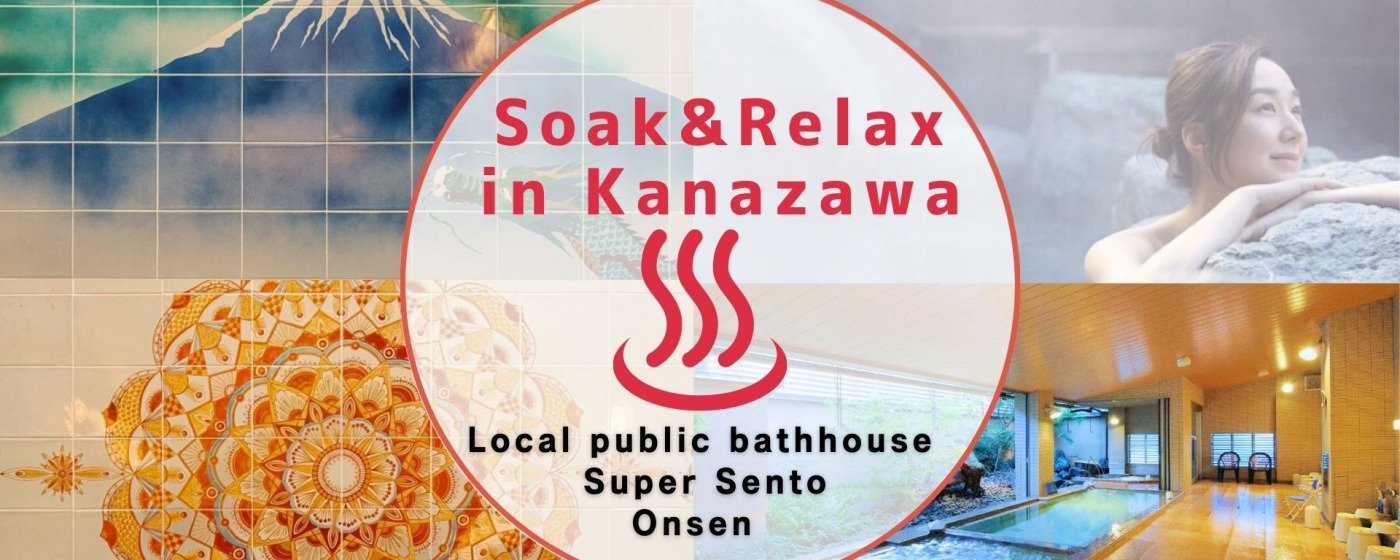
The journey often begins with the Onsen. These natural hot springs, fueled by Japan’s volcanic geography, are more than just communal baths; they are sacred spaces for Hadaka no Tsukiai, or “naked arkmassagespa.net companionship,” where social barriers dissolve in the steam. The mineral-rich waters—containing sulfur, sodium chloride, or hydrogen carbonate—offer specific therapeutic benefits. A soak in a high-sulfur spring is believed to soften the skin and alleviate chronic pain, while the heat itself induces a state of deep muscular surrender. This thermal therapy serves as the perfect “pre-treatment,” increasing blood circulation and preparing the nervous system for deeper manual work.
Once the body is warmed and the mind is quieted, the practice of Shiatsu takes center stage. Developed in the early 20th century but rooted in centuries-old traditional Chinese medicine, Shiatsu translates literally to “finger pressure.” Unlike Western massage styles that rely on oils and long, flowing strokes, Shiatsu is typically performed through comfortable clothing and focuses on the body’s meridian lines.
A skilled practitioner uses their thumbs, palms, and sometimes elbows to apply rhythmic pressure to specific tsubo (pressure points). The philosophy is simple yet demanding: by clearing blockages in these energy pathways, the body can regain its natural ability to heal itself. It is a “smart” therapy that adapts to the individual; the practitioner feels for “Kyo” (deficiency) and “Jitsu” (excess) in the tissue, balancing the body’s tension through focused touch. The sensation can be intense—often described as “pleasurable pain”—but the result is a profound sense of realignment.
The synergy between these two traditions is where the magic happens. The Onsen relaxes the outer shell, while Shiatsu recalibrates the inner mechanics. This duo addresses the modern “tech-neck” and stress-induced fatigue that plague the digital age, offering a manual reset for the biological clock. In Japan, massage is not viewed as a luxury for the elite, but as a fundamental maintenance of the human machine.
Entering a traditional Japanese spa environment is a lesson in intentionality. Every detail, from the scent of hinoki cypress wood to the meticulous pressure of a thumb, is designed to bring the practitioner and the guest into a shared state of mindfulness. By embracing these traditions, one doesn’t just “get a massage”—one participates in a centuries-old dialogue between the body and the earth.
Would you like me to create a travel itinerary focused on the best regions in Japan for experiencing authentic Onsen and Shiatsu retreats?